Set targets and test scenarios to create a credible climate transition plan
Go beyond carbon accounting with the tools needed to build a data-driven climate transition plan that suits auditors and helps you make the business case for your sustainability strategy.



















.png)











How it works
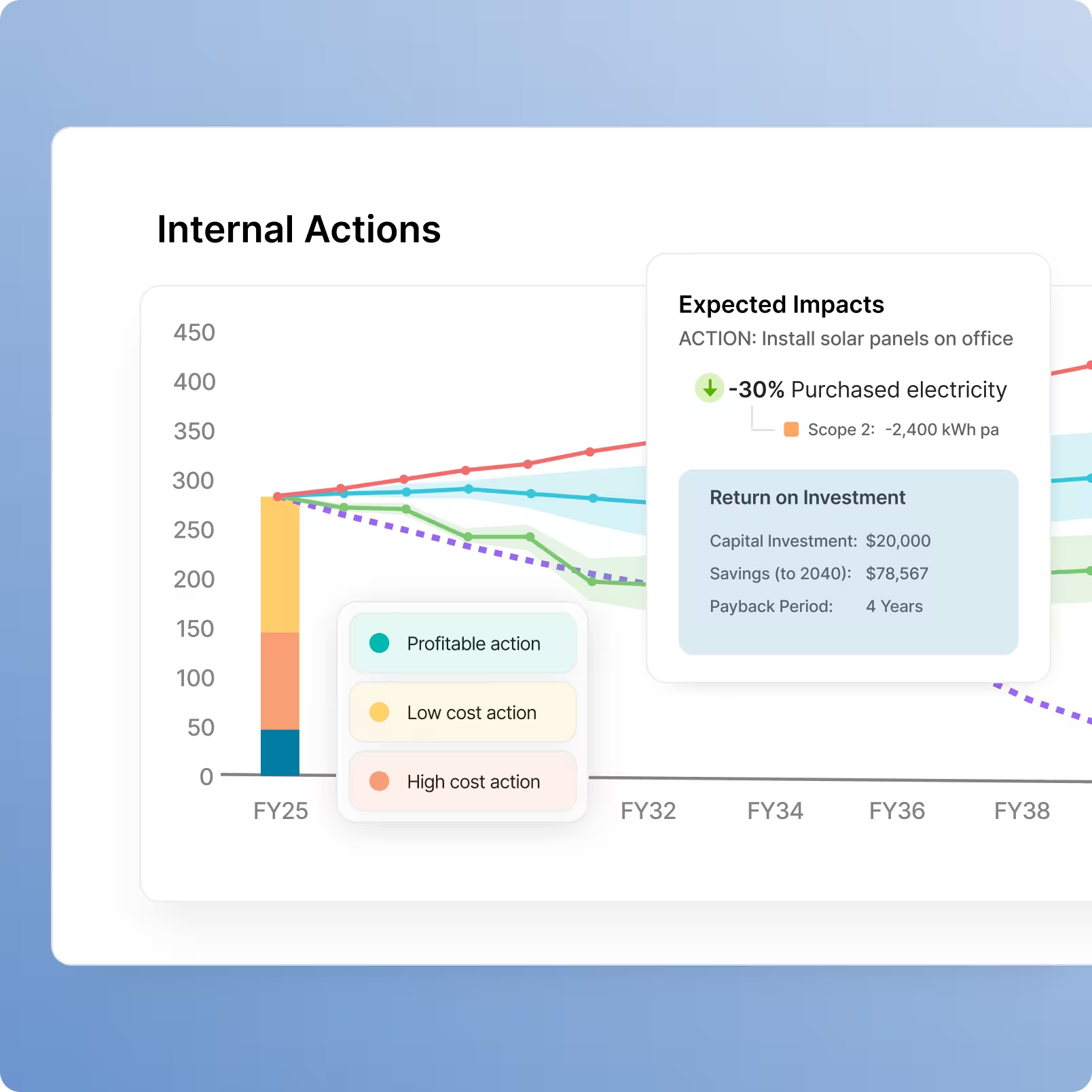
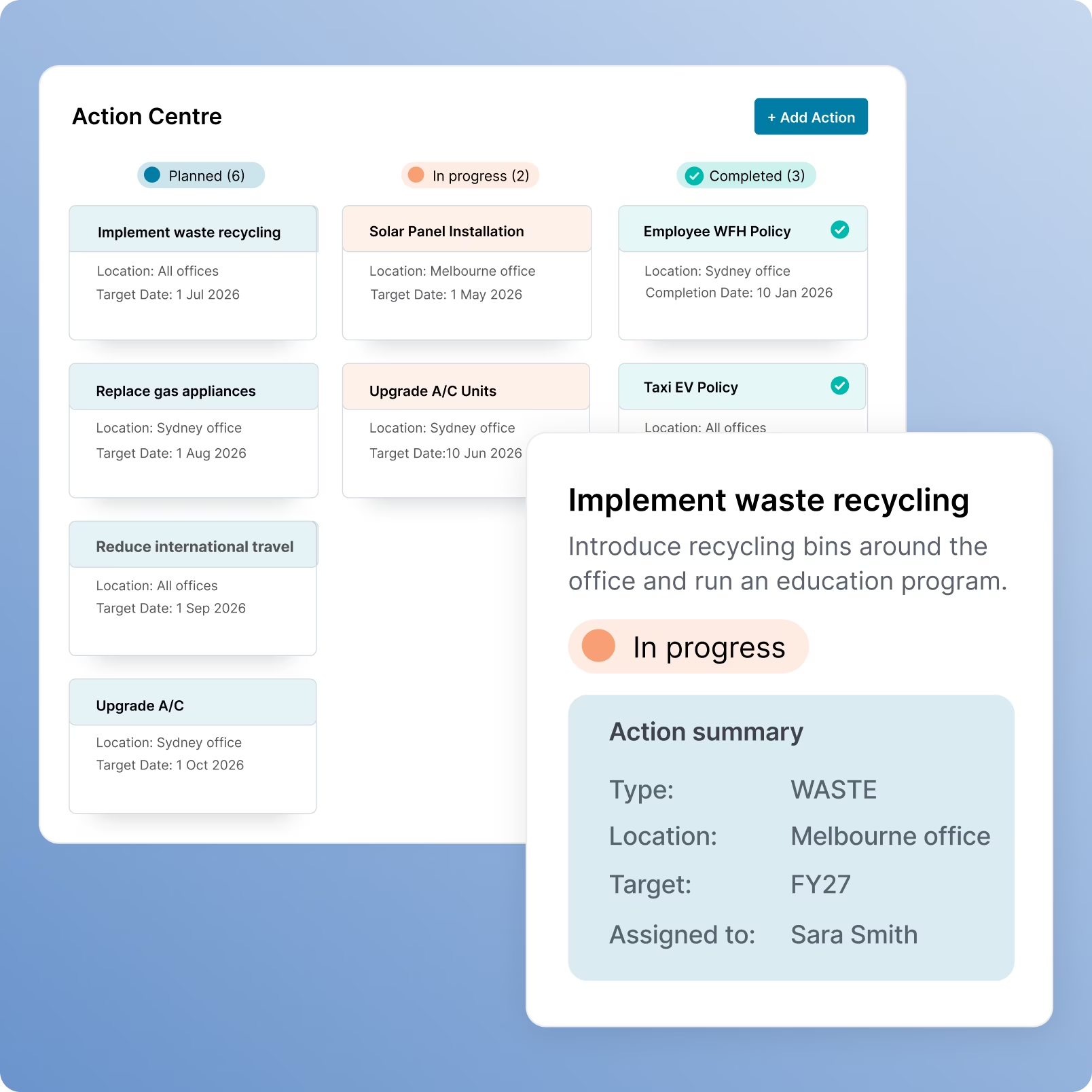
Understand the business case for each sustainability initiative, before you commit.
The hardest part of corporate sustainability is often internal alignment and budget approval. Even if you know what initiatives are needed, you need to prove that to finance, leadership and auditors. With Climate Zero’s advanced transition modelling, you can get clear, verified data to show the cost, impact and ROI for each sustainability initiative. So everyone understands the business case and decision behind your climate transition plan.
The modelling you need for a data-driven climate transition plan
Replace assumption-led spreadsheets with structured, defensible projections needed for credible climate transition planning.

Emissions modelling
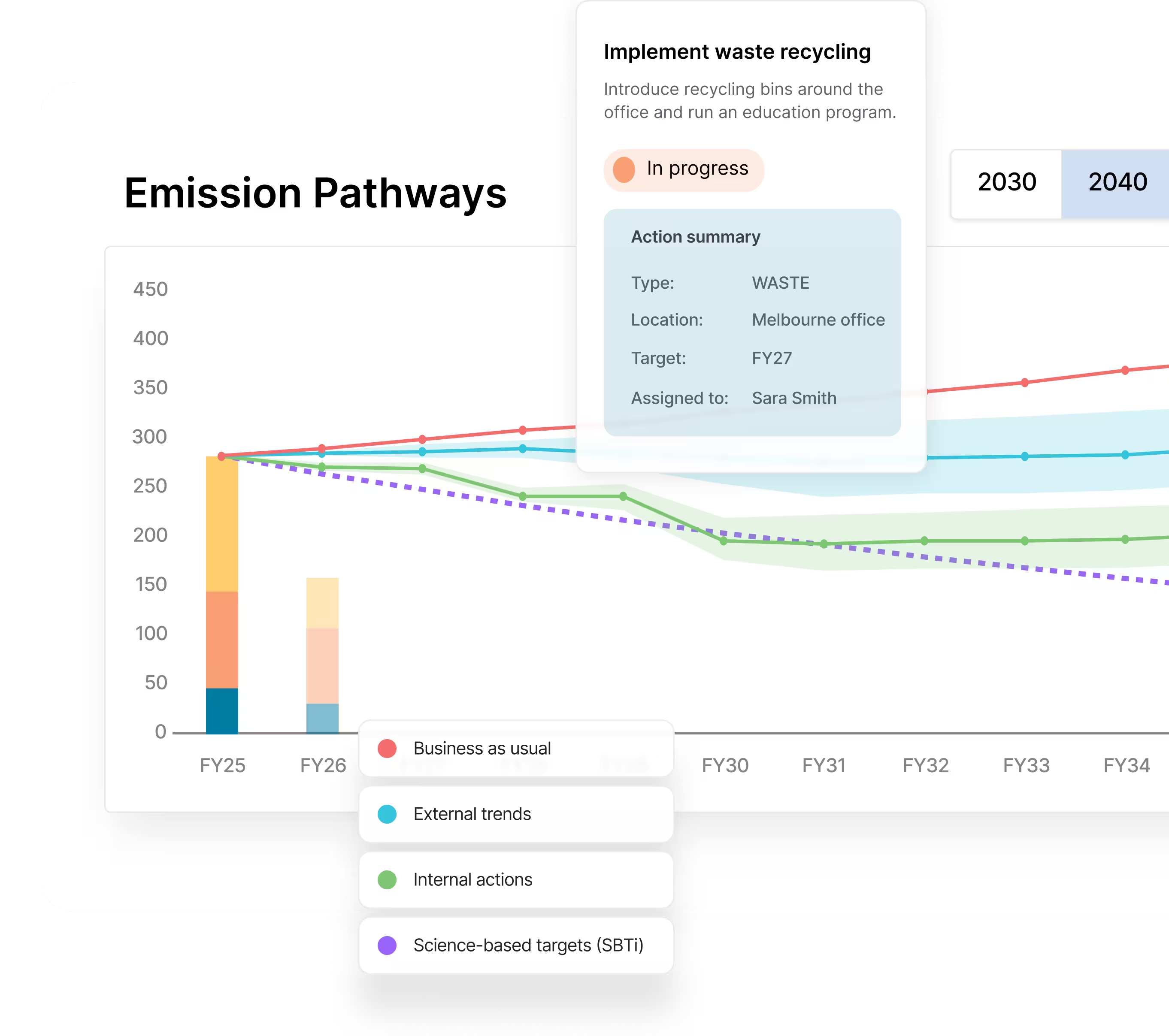
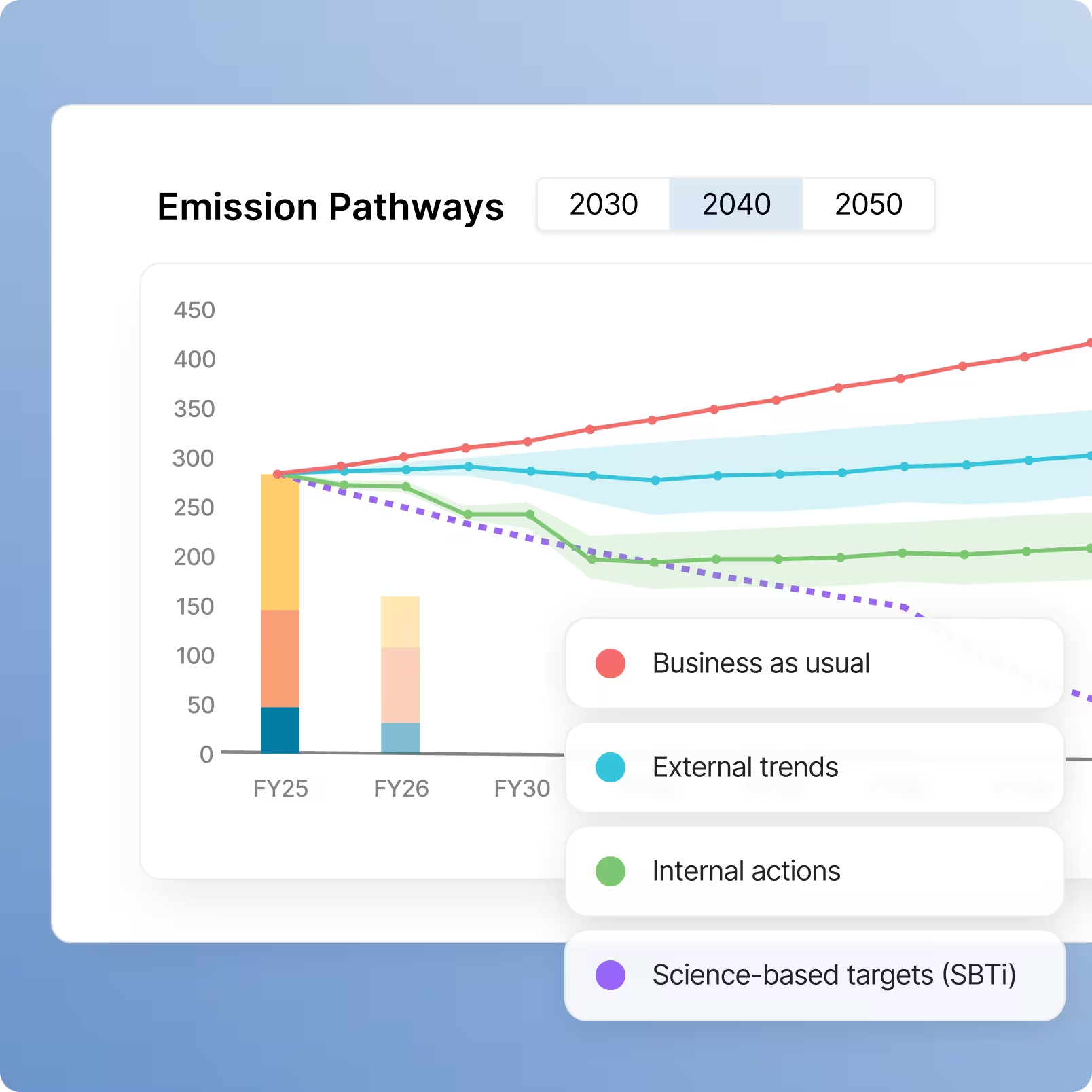
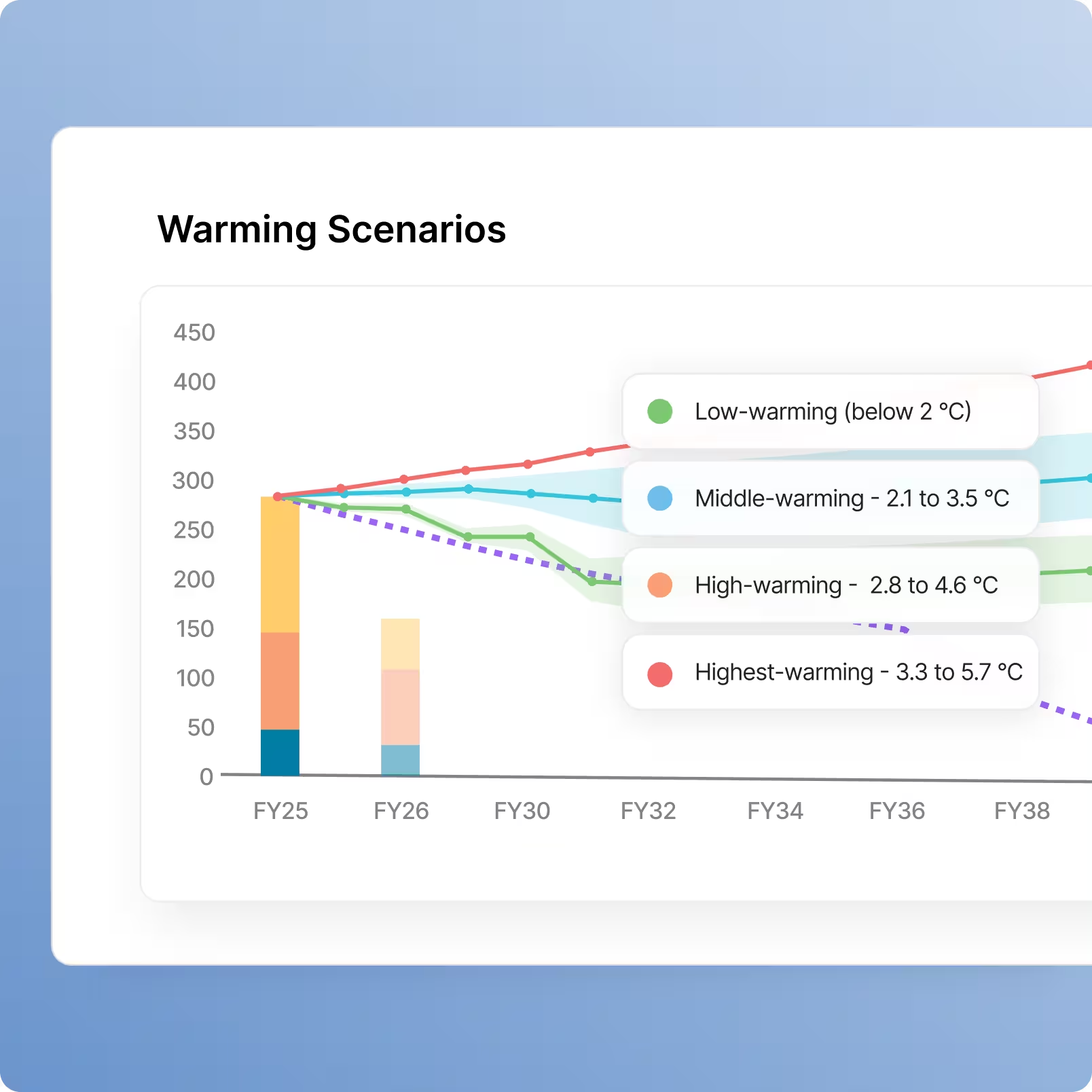
Model emissions across multiple pathways, including BAU, internal project implementation, external trends and different warming scenarios.

Abatement gap analysis
See whether your current sustainability initiatives are enough to meet ambition or targets, and where shortfalls exist within different scenarios.

ROI comparisons
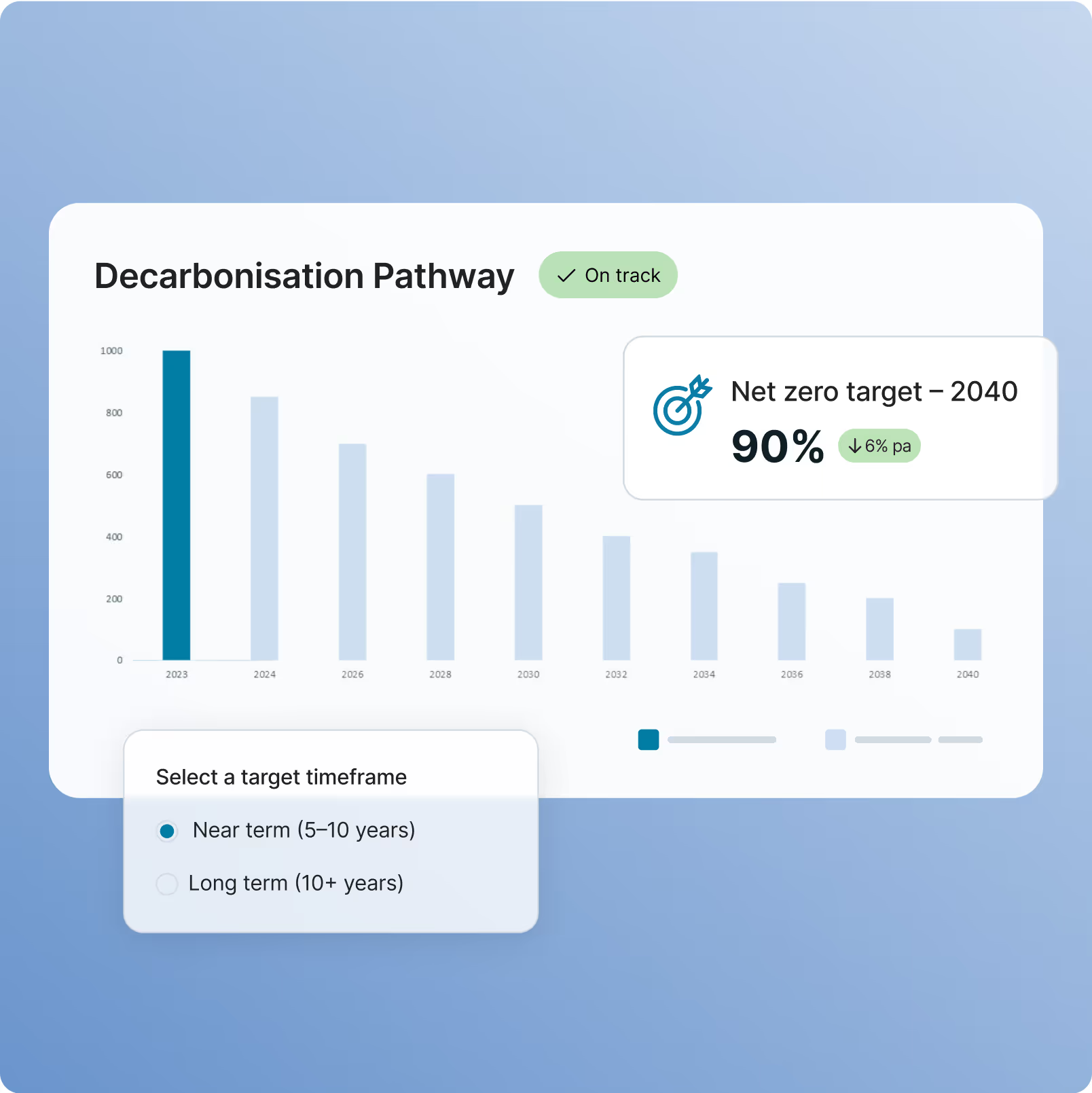
Clearly show the cost, payback period, and ROI of each initiative to find your most efficient pathways with stronger evidence.

Real-time testing
Recalculate projections in real time as assumptions or needs change – ideal for workshops or leadership meetings.

Source registry
Create transition plans with data confidence, knowing your modelling is audit-ready and built to withstand scrutiny.

ASRS aligned
Easily export your target setting and modelling methodology to handle disclosure requirements under AASB S2.
.avif)









Industry leading credibility, powered by Climate Zero and Viable Pathway
Our advanced target modelling features are enabled by emission projection experts - Viable Pathway. Their sophisticated projection engine is embedded inside Climate Zero, so the models you run aren’t built on your own assumptions. They’re grounded in global climate science and best practice to enable credible climate transition planning.
Prove your decarbonisation and transition plans stack up
This isn’t just good business practice. Under ASRS, organisations with climate targets must disclose them, the assumptions behind them and – where a transition plan exists – how it will be delivered. As assurance requirements increase, quantified, defensible modelling will be expected. Additionally, a climate transition plan is what investors are looking for. It provides confidence that you’re building a business prepared for the future, remaining profitable while decarbonising.
Frequently asked questions
What does transition modelling allow us to do?
You can model your future emissions trajectory, not just report on historical performance. Inside Climate Zero, you can now:
- Project business-as-usual (BAU) emissions
- Apply external trends (e.g. grid decarbonisation, technology uptake)
- Model internal actions with defined implementation timelines
- Compare outcomes across different warming climate scenarios
- Quantify the cost and impact of each initiative
This moves you from static targets to a credible, data-driven climate transition plan.
How is this different from simply setting a target?
Setting a target defines where you want to go. Transition modelling demonstrates how you will get there.
The modelling engine shows:
- Whether your current plan closes the abatement gap
- Which initiatives deliver the highest impact
- Whether your target remains achievable under slower global decarbonisation
- How external factors influence your trajectory
It replaces assumption-led spreadsheets with structured, defensible projections.
What’s the difference between a transition plan and a decarbonisation plan?
A decarbonisation plan outlines the specific initiatives your organisation plans to implement to reduce emissions, such as electrifying a fleet, procuring renewable electricity or improving operational efficiency. It focuses on what actions you will take.
A transition plan is broader and more strategic. It demonstrates:
- How those initiatives combine to achieve your emissions targets
- The assumptions underpinning your projections
- The role of external trends (e.g. grid decarbonisation or policy shifts)
- The financial implications and capital allocation strategy
- How resilient your pathway is under different climate scenarios
- How governance and risk management align with your targets
What scenarios can we test in Climate Zero?
You can stress-test your transition plan against multiple global futures aligned to Shared Socioeconomic Pathways (SSPs), including:
- Rapid decarbonisation (~1.5°C pathway)
- Moderate transition (~2°C pathway)
- Slower global decarbonisation / higher warming futures
This allows you to assess resilience under uncertainty, not just under ideal conditions.
Does all carbon accounting software allow you to set targets, test actions and model them under different scenarios?
No. We believe Climate Zero is the first carbon accounting software in Australia to provide this level of modelling, including external trends and varying warming scenarios. We’ve partnered with industry leader Viable Pathway to embed their sophisticated projection engine inside our software so your modelling is grounded in global climate science and best practice.
How does this support ASRS 2 compliance?
With the Australian Sustainability Reporting Standards (ASRS) now in place, thousands more businesses will need to comply with AASB S2 within three years.
ASRS 2 requires organisations to explain:
- The assumptions used to set targets (if you have them)
- The methodology underpinning transition plans (if you have them)
- The approach to scenario analysis
Climate Zero’s modelling ability means you can connect your emissions data, assumptions and projections into one integrated framework – improving transparency, audit readiness and board confidence.
Go beyond carbon accounting to identify ROI opportunities and create credible transition plans